Featured
Table of Contents

Embracing Smart Financial Systems in Massachusetts

Financial management by 2026 has transitioned from manual record-keeping to highly advanced, autonomous systems. The dependence on paper statements or manual calendar reminders has actually mainly faded as customers focus on effectiveness and precision. Developing a strong credit profile in 2026 requires more than just paying bills on time; it includes establishing a protective architecture that prevents mistakes before they occur. Analysts tracking patterns in Massachusetts observe that homeowners who use automated oversight tend to maintain scores substantially greater than those who depend on memory.The core of this technique lies in the synchronization of checking account, credit cards, and reporting agencies. In the present year of 2026, monetary institutions offer advanced user interfaces that allow for granular control over payment timing and quantity. Instead of simple "set it and forget it" designs, contemporary automation uses predictive reasoning to ensure that payments are made when they most benefit the credit utilization ratio. This shift is particularly visible when looking at Debt, which now frequently incorporate straight with individual banking apps to supply real-time updates.Success in 2026 depends on DMP Recovery to guarantee that every fiscal action contributes favorably to a credit report. This method decreases the threat of human mistake, which remains a leading cause of unexpected score drops. By removing the manual component, debtors make sure that their credit report reflects constant, accountable habits without the friction of month-to-month chores.
Advanced Autopay Methods for Massachusetts
Basic autopay was as soon as a blunt instrument that simply moved money on a particular date. In 2026, expert monetary counselors suggest a tiered technique. The first tier includes "Micro-Payments" or "Regular Biking." Instead of one large payment at the end of the month, automated systems can be set to settle small balances whenever they reach a particular threshold. This keeps the reported balance low at all times, which is a significant consider the credit scoring models used throughout 2026. Practical Financial Literacy Guides offers clear courses for improvement by making sure that credit utilization remains listed below 10 percent. For numerous in Massachusetts, high cost-of-living expenses can result in high charge card balances if not managed daily. By automating several payments throughout the billing cycle, the reported utilization stays minimal, even if the total monthly spending is substantial. This method is a staple of professional counseling approaches in 2026, allowing individuals to utilize their credit cards for benefits without the penalty of high balance reporting.Another layer of this technique involves "Buffer Automation." This is the practice of establishing secondary accounts that automatically cover any shortages in a primary monitoring account. In 2026, these sweeps are rapid, avoiding "non-sufficient funds" errors that could cause missed out on payments. This protective procedure is typically talked about by specialists knowledgeable about Debt as a method to secure an ideal payment history against unanticipated bank delays or timing inequalities.
Incorporating AI-Driven Alerts and Modifications
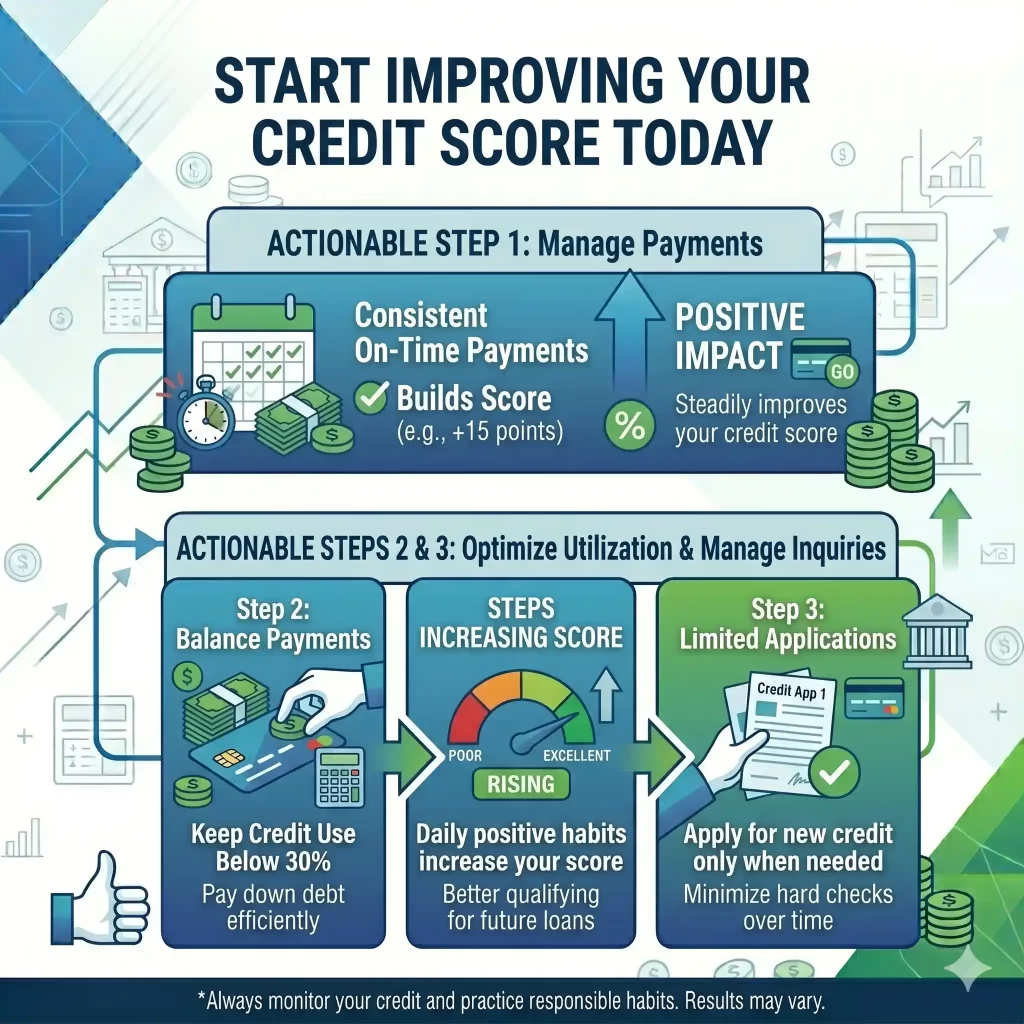
The year 2026 has seen the rise of AI assistants that do more than simply alert a user of a costs. These assistants now examine spending patterns and predict when a credit history might be at risk. For instance, if an automated subscription increases its rate unexpectedly, the system can flag it as a prospective risk to a specific budget goal. This level of oversight is important for those browsing the complex financial environment of Massachusetts. Tracking services in 2026 have progressed to consist of "Synthetic Scams Protection" and "Automated Conflict Filing." If an unapproved account appears on a credit report, automated systems can initiate the first steps of an obstacle before the user even logs in. This speed is essential because credit history models in 2026 respond rapidly to brand-new information. A hold-up of a couple of days in reporting an error can lead to a score drop that takes months to recover.Increased interest in Dignity for Debt Borrowers has required lenders to be more transparent about how they report information. Debtors who utilize automated tools to investigate their own reports discover that they can catch disparities that manual evaluations frequently miss. These tools compare the information throughout all three major bureaus and highlight any inconsistencies in payment history, account age, or credit line. In Massachusetts, where competition for low-interest loans is high, having a clean and precise report is a requirement instead of a high-end.
Credit Mix and Automated Diversification
A healthy credit profile in 2026 needs a varied mix of account types. While numerous individuals focus exclusively on credit cards, scoring models likewise try to find installation loans, such as auto loans or individual loans. Counselors frequently recommend using automated "Credit Contractor Loans" for those who need to diversify their mix without handling high-interest financial obligation. These items immediately subtract a small quantity monthly, hold it in a protected account, and report the on-time payments to the bureaus.In Massachusetts, these automated builder tools are frequently coupled with Debt to offer an extensive technique. The beauty of these systems is that they operate in the background. When the preliminary setup is complete, the customer can focus on their profession or personal life while their credit history steadily climbs up. This hands-off method is the gold standard for monetary health in 2026. Beyond installation loans, 2026 has presented more methods to include non-traditional data in credit reports. Automation permits the reporting of lease, utility, and even streaming service payments. Providers that focus on this data aggregation make sure that every on-time payment for a cellular phone costs or an apartment in Massachusetts counts towards the last rating. For younger customers or those new to the country, this automated inclusion of "soft" credit information is a primary method to develop a footprint.
Keeping Security in an Automated Environment
With increased automation comes the need for increased security. In 2026, monetary therapy includes a heavy focus on digital hygiene. This means using encrypted password supervisors and two-factor authentication for every single account connected to an automatic system. Professional consultants in Massachusetts stress that while automation saves time, it does not remove the need for periodic human audits.A typical recommendation is the "Quarterly Sync-Up." Every 3 months, a debtor needs to review all automated triggers to ensure they still line up with present earnings and objectives. If a person receives a raise or changes jobs in 2026, their automated payment limits must be adjusted appropriately. This guarantees that the system continues to work for the individual's existing truth instead of their previous circumstances.Data personal privacy likewise stays an issue. When utilizing Debt, it is crucial to comprehend what information is being shared and with whom. The guidelines of 2026 supply more security for customers, but the obligation of choosing reliable platforms remains with the user. Searching for services that have a strong track record of security within Massachusetts is a prudent step before linking high-value accounts.
The Long-Term Effect of Financial Autonomy

The cumulative impact of these automated techniques is a more durable monetary standing. By 2026, the gap in between those who use technology to manage their credit and those who do not has widened. The speed at which credit decisions are made-- typically in seconds by AI lenders-- suggests that there is no longer any margin for mistake. A single late payment in 2026 can be more harmful than it was a years earlier because the systems are more conscious recent data.Moving towards a fully automated model enables homeowners of Massachusetts to move with more dexterity. Whether obtaining a mortgage or a company loan, having a credit history that is preserved by a precise, automatic system offers a level of confidence that manual tracking can not match. The expert techniques of 2026 highlight that credit is a tool to be managed with technical accuracy, not a secret to be feared.As the year 2026 advances, the tools offered for credit management will only become more integrated and intelligent. Welcoming these changes is the most reliable method to guarantee long-lasting fiscal health. By setting up a system that prioritizes low usage, consistent payments, and accurate reporting, anybody can achieve a top-tier credit history. The shift towards automation represents a democratization of financial know-how, putting the power of a professional counselor into the pocket of every customer.

Latest Posts
Building Excellent Financial Literacy Skills for Life
Essential Financial Literacy for Adults in 2026
Proven Credit Building Methods for 2026